Category Archives: 2013

GranMonte Asoke Valley Winery – The Tasting Notes

The vineyards of GranMonte Winery

The vineyards of GranMonte Winery

Alright, as promised in my Meeting the Vintners article on GranMonte Asoke Valley Winery last week, I want to share some impressions on the wines I tried. We had the chance to try these wines with dinner, and some without, and that definitely shaped some of the impressions. All in all, I think the line up was pretty impressive. The wines expressed a ton of flavor, making them very appealing.

Let me start with a couple of whites:

The 2012 Sole Chenin blanc Viognier, which contains 93% Chenin blanc and 7% Viognier grapes, was fermented in stainless steel and French oak barrels and spent four months on the lees. It has 13% ABV, 5.4 gr of acidity/liter and 3.8 gr of residual sugar/liter, which under German wine laws puts this in solidly dry territory. The wine poured in a clear, light yellow and had an incredibly fresh nose with banana and citrus aromas. On the palate, it showed good fruit in the beginning, mostly citrus, then it became quite creamy on mid-palate to be followed by bitter orange rinds which were surprising but not unpleasant. The acidity kept the wine refreshing, which made it a great companion in the tropical heat.

The 2012 Verdelho poured in a stronger yellow color, and showed a nose full of tropical fruit: a bucket full of papaya and passion fruit. Absolutely loved it. On the palate, it was almost medium-bodied, silky and creamy, with good acidity and nicely lingering finish with some lemon pepper aromas. I enjoyed this wine for its great drinkability. I wasn’t quite sure how to pair this with food, but with a wine like this I don’t actually feel like it needs pairing. Again, very enjoyable white wine.

The 2013 Verdelho, which had just been bottled, in contrast was of very light color, almost as clear as water. The nose had mostly gooseberry aromas (which I underlined four times in my notes), papaya, some chewing gum, and just jumped at me in its fruitiness (yes, even after the previous two wines!). Again, this wine was more on the medium-bodied side, passion fruit the dominating aromas. The mid-palate seemed a bit wobbly, but that might be due to its recent filling, and the finish came through strong with a nice peppery touch. Strong showing.

I really wasn’t expecting the whites to be this fruity and light given the climate. That was a very nice surprise.

In the winery shop.

In the winery shop.

We then moved on to the reds, and we were in for some treats.

We started with the, again recently filled, 2012 Heritage Syrah. Made from only Syrah grapes, this wine ferments in stainless steel and then spends 12 months in French oak. 13% ABV, and a healthy acidity of 5.67 gr/l. It poured in a medium ruby red, and the nose showed cassis, sour cherries, some branches and slightly earth aromas which were complemented by violets. I really enjoyed the fruitiness of this wine on the palate, with raspberries and some jam. It was earthy, had great tannins, and combined subtlety with a good backbone. The finish was just beautifully long, it lasted and lasted and lasted (I wrote down 25 seconds +). The coolest thing about this wine was how it stood up to steaks paired with super spicy oils. We just couldn’t believe how this wine worked with such heat. Incredible.

We then tried the 2009 Orient Syrah, one step up from the Heritage Syrah. The grapes come from their three oldest and lowest yielding blocks in the vineyard, were fermented in stainless steel, and then moved to 83% French, and 17% American oak barrels for 12 months. The wine had 14% ABV and 5.1 gr/l acidity. The color was decidedly darker than the Heritage Syrah. The nose was very restrained, seemed much more old world in style than the previous wine. There was some leather, some prunes. On the palate, this full bodied wine showed great balance, was just the right amount of dark fruits with earthy aromas ( I really enjoyed how earthy this one was), tannins to hold it up. It also showed a long finish and was a pleasure to drink. Not as exciting as the Heritage, but definitely well made.

Probably Nina’s favorite of the night was next: The 2009 Asoke Cabernet Sauvignon Syrah, GranMonte’s flagship wine. Made with 60% Cabernet Sauvignon and 40% Syrah grapes, the must ferments in stainless steel before spending 14 months in 83% French and 17% American oak barrels. The final product has 14% ABV and 5.8 gr/l of acidity. It was pitch dark in the glass, almost black. Wow. The nose was decidedly Cabernet Sauvignon, branchy, a bit green peppers, with red berries and vanilla aromas. Very expressive nose, intense. On the palate, all I got initially was cassis, cassis, cassis, so strong. The wine had great tannins, showed some tobacco, heft and a good mouthfeel. The balance was there, the finish was good. Everything came together in this wine. As I said, Nina really really liked this wine. For me, it was too powerful, I think. I am not a fan of these big reds. Again, this was a great wine, it was just not meant for me. I am more at home with the earthier, less expressive wines.

The final wine was, how could it be otherwise with me, the just filled 2013 Bussaba Chenin blanch Semillon, a white made in the late harvest style. It contains 60% Chenin blanc, 35% Semillon, and 5% Canadian Muscat grapes. The color was very light, almost watery (not what I expected in a late harvest style white). The nose showed intense aromas of honeydew, mango, and mint. On the palate, it was most of all refreshing, again showing this great acidity that Nikki is capable of expressing in her whites, that never make this boring or feel too sweet. It retains a lightness and seems to have the right ingredients to also age well.

All in all, as you can probably tell, I was quite impressed. The wines showed finesse and craft, and most of all, were pretty tasty. I was told by the owners that some of their wines are now available in San Francisco, and when I did a quick Google search, I found the Thai restaurant Koh Samui & The Monkey at least offered some GranMonte wines in mid 2013. Might be worth checking out!

Wine and company make people happy

Wine and company make people happy
Tagged , , , , , , , , , , , , ,

Minor Thoughts on the 2012 Mosel Riesling vintage

Somewhere along the Mosel, November 2013

Somewhere along the Mosel, November 2013

I’ve spent the last five days at the Mosel, where I was lucky to taste 2012 Rieslings with some of my favorite producers, and new contacts. Most of these tastings were dedicated to the 2012 vintage, but it was hard not to talk about the 2013 harvest, which was just finished a few days or weeks ago, depending on the winery, so let me start with that.

2013 seems to have been a very difficult year: It started with low temperatures which led to late bud break and flowering, followed by a very dry summer. Some areas saw early summer hails that led to some areas remaining without any yield. Once harvest time came around, the weather started turning wet and rainy, which meant vintners and their staff had to time picking grapes quite well in order not to get grapes that were either too soaked with water or brought in a bunch of water.

All in all, 2013 seems to have reinforced the need for a lot of work in the vineyards throughout the year (e.g. cutting down grape clusters very early once it was clear that the ripening period was shorter). What I tasted from the barrel showed quite some acidity (as was to be expected from a very mixed weather year), but aromas seemed to be alright. Most winemakers lamented how low their yield was, but that they were fine with the result in the barrels. This is the third in the last four years that brought significantly lower yields than on average, and it could mean financial difficulties for some….for now, a lot of the wines are still bubbling, and it is wait and see.

Barrel tasting 2013s at Immich-Batterieberg

Barrel tasting 2013s at Immich-Batterieberg

But now to the 2012 vintage. Let me recap the growing conditions, with the help of Mosel Fine Wines (if you haven’t signed up for their free newsletters, go and do that now!):

March 2012 was unusually warm at the Mosel, which led to an early bud break. Through uneven weather conditions in June, the yields fell quite a bit and there was early rot due to a rainy July. Other than that, conditions were normal. And a standard September weather brought a quick rise in sugar levels, maintaining higher acidity levels as well. The October had cool nights which made the acidity remain rather high and grapes remained mostly clean with low levels of botrytis.

All in all a rather good year, with the problems of low yields arising from June and July.

I had not read much about other people’s assessments of this vintage, so I was excited to go and try for myself. As you may recall, 2011 along the Mosel was, for my taste, a bit too low in acidity. Back in June 2012 I wrote: “2011 (…) was a year with high yields and very, very healthy grapes. (…) Nina called (what we tried of the 2011s) subtle, I would add sophistication. They also showed great mellowness. Think of 2010 as a crazy, modern art painting and of 2011 as a well composed and pleasing piece of art.”

In retrospect, and having tried more 2011s, I think I am really struggling more than I realized back then with their low acidity. Which was good for the dry Rieslings, but made the fruity and sweeter styles more difficult.

Reinhold Haart Piesporter Goldtröpfchen Auslese 2002 and 2012

Reinhold Haart Piesporter Goldtröpfchen Auslese 2002 and 2012

The 2012, in contrast, cannot complain about too little acidity. The wines all showed a nice balance of healthy acidity and enough sweetness. They were light and elegant, and refreshing. I probably benefited from trying them longer after their bottling than the 2011s, but it seemed to me that these wines were more to my liking. The interplay between sweetness, fruitiness and acidity is such an important part in a Riesling. And it seemed to work in most.

I also tried a bunch of 2012 dry Rieslings. I do think I still prefer the subtler style of 2011 over the stronger acidity-determined 2012s, but I found many of them surprisingly good. My range of assessing vintages is still very limited, so I cannot really compare or give advice on where this vintage lies (and, I also realize more and more that there are no good or bad vintages, it is more easier or harder vintages for the winemakers….or as a winemaker put it: There are no bad years, just bad winemakers.).

The guys at Mosel Fine Wines, whom I have come to trust quite a bit, think 2012 will be one of the great vintages when we look back in several years, especially for clean and juicy, i.e. fruity Kabinett and Spätlese (they see potential to play in the same league as the great vintages of the 1970s)…

Tagged , , , , , , , , , ,

Quick update from Germany

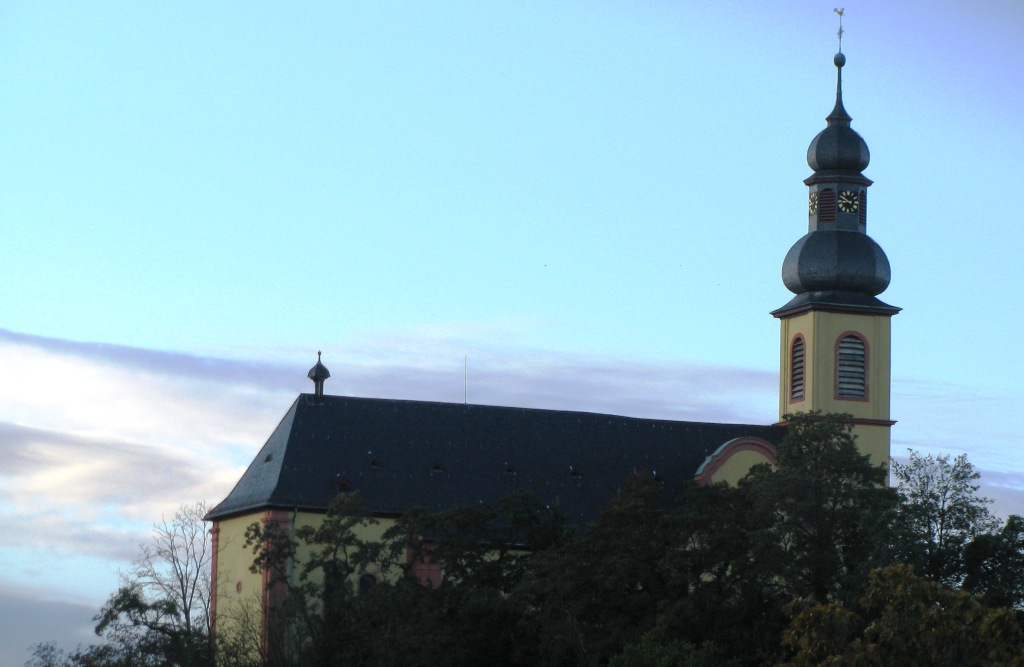
My hometown's church

My hometown’s church

Dear friends,

just a quick update from Germany, some of you have asked how things are going.

It’s great to be back for a visit, and I am enjoying it a lot. Right after my arrival, which for various reasons brought me to the Stuttgart airport, in the south of Germany, I went to visit the Württemberg winery Kistenmacher und Hengerer. Winemaker Hans Hengerer and his wife Sabine opened their doors for me on a Sunday (after I told them that I could imagine that they had better things to do on a Sunday morning), and I spent a good three hours there. What do I say? A great three hours. We tried a host of wines, from their Rieslings to all the local varietals Clevner, Samtrot, Gelber Muskateller, a bunch of Pinot Noirs…

I am not familiar with that particular region of German wine growing, but it felt like a great introduction. I will write more about the winery shortly.

Now I am back in native Rheinhessen region, enjoying what I miss so much: the sight of Father Rhine, the vineyards on the other side, German bread, rolls and sausage meats, and just simple, enjoyable local wines. My mother and I have been hitting the theater trail, went to see Neil LaBute’s stunning, disturbing, incredible piece Bash. If ever you get a chance, I highly recommend it!

The coming weekend and some will be spent at my beloved Mosel, with seeing friends, more eating and drinking (naturally) and I am lucky to have scored tasting times at the estates Reinhold Haart (Piesport), Immich-Batterieberg (Traben-Trarbach), Kurt Hain (Piesport), Meierer (Kesten), Günther Steinmetz (Brauneberg) with room for a few more. One evening will be spent tasting some Finger Lakes Rieslings I brought with my good friend ManSoo. As you can see, most of the action will be surrounding wine…and more wineries will be visited the following week (St. Urbanshof, Karl Erbes, and Dr. Hermann).

I am truly excited about this mix of old friends and new wineries, and am looking forward to what 2012 has brought.

The biggest bummer so far has been that a tentative meeting up for joint tasting with my good friend and fellow blogger Stefano of Clicks and Corks has not come together…it would have been awesome to share these moments with him, but we both will make do, and I am looking forward to share German wine country with him another time.

That’s it for now. I hope I will get to shoot some more articles in my pipeline out over the next days and am looking forward to presenting new wineries to you soon.

Trier as seen in summer 2012 (structures left to right: Imperial Basilica from the 300s, Citizen Church from the 1300s, Cathedral foundations dating back to 300s)

Trier as seen in summer 2012 (structures left to right: Imperial Basilica from the 300s, Citizen Church from the 1300s, Cathedral foundations dating back to 300s)

Tagged , , , , , ,