Category Archives: 2011

Tasting with Friends: Strange Fruit

Last Friday, we had the third of our group of friends’ wine tastings. The previous tastings were themed around old world and new world Malbecs and European reds (which we conducted blindly). Not only did this time’s hosts decide to cook us a spectacular meal, they also picked a really cool theme for the night: “Strange Fruit”. They had initially thought about restricting the allowed wines to unknown grape varieties or regions, but later settled for strange fruit, which proved to be an awesome theme.

My initial thoughts for what wines to bring were centered around grape varieties that were strange or not very common, but I then also thought about wines that tasted different than expected. I had a couple of ideas and we ended up bringing a bottle of German Riesling (what’s unexpected about this, you may ask, but bear with me!), a bottle of the Ruchè we had tried with Nina’s birthday burgers and a Cannonau di Sardegna, both Italian reds.

Meierer Logo
Meierer Logo

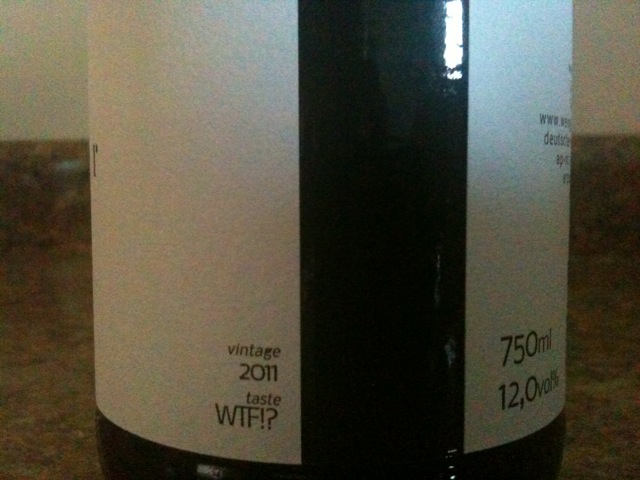
2011 Meierer Riesling WTF!?

2011 Meierer Riesling WTF!?

We started with the 2011 Meierer Riesling WTF!? (12% ABV, limited to 300 bottles made). When Nina and I first tried this wine at the winery in the summer of 2012, it was definitely one of the weirdest Rieslings we ever had, hence the name… Matthias, the winemaker, had decided to produce this wine in the way one would usually make a Pinot Noir: He let the must sit on the skins and stems for a couple of days. This really changed the nose and palate of this wine making it intense and I would never have guessed it was a Riesling if I had not known. I was eager to share this wine with the group, so we made it our apéritif. The wine showed itself in a slightly darker yellow, pretty much pee color. The nose showed acidity, some sour apple, I got hints of vanilla and coconut, but there seemed to be a decisive lack of fruit in the nose. The palate was herbal and what I would call branch-y, with healthy acidity and some apple aromas. Most in the group remarked on that it reminded them of a Chardonnay. The finish was long, with some bitterness. I like the experiment itself, I am not sure I would want to drink this wine all the time…but how could one, with only 300 bottles made? (I wrote in depth about the winery here). And it definitely fit the tasting’s motto.

2011 Agape

2011 Barafakas Winery Agape

The first course of the meal was an arugula salad with cranberries, walnuts and blue cheese. We paired it with a 2011 Barafakas Winery Agape, a Greek white wine blend from the Peloponnese peninsula. The wine is made with 50% Roditis grapes and 50% Savatiano grapes and had 12.5% ABV. The label promised strong acidity as well as citrus, banana and peach aromas. It poured in a light yellow color and had a very subdued nose. I really was not able to discern anything in the nose. The flavor profile on the palate showed a dry, slightly buttery wine with virtually no acidity or fruit aromas, some bitterness and a decent amount of heft to it. Nina said it seemed syrupy to her in texture (not sugar), I am not sure I got that. All in all, a bit boring. But then again, a lot of Southern European dry whites give me that impression. That said, it paired exceptionally well with the salad. The acidity in the dressing, the blue cheese and the nuttiness of the arugula made for good companions.

2010 Osél Ruchè di Castagnole Monferrato

2010 Osél Ruchè di Castagnole Monferrato

For the pasta course, a classical dish of orechiette pasta and tomato-based ragù sauce, we first opened the 2010 Osél Ruchè di Castagnole Monferato that we had brought. My notes resembled the notes I made when we initially tried it in March, which is why I just repost them here: “It poured in a lighter red with some hints of brick. The nose was floral and perfumy with cherry and jammy notes. Rather enticing. The flavor profile of this light to medium bodied wine was very intense, with again cherry and some earthy aromas. There was noticeable residual sugar, maybe a tad too sweet. It had a peppery and slightly bitter finish that was rather short.” All in all, it seemed fruitier this time around, which I did not mind at all. Still a solid wine.

NV Accattoli Lacrima di Morro d'Alba

NV Accattoli Lacrima di Morro d’Alba

We then opened a NV Accattoli Lacrima di Morro d’Alba DOC, an Italian red wine made from 100% Lacrima grapes, an ancient and rare grape variety. The wine had 12.5% ABV (notice a theme here?) and poured in a very dark ruby red. The nose was great, incredibly floral: violets and lavender and other floral aromas. It smelled a bit like an old grandma, but in a good way, if that makes any sense…On the palate, the wine was medium-bodied and soooo silky. That was the first thing I noticed: I really loved the texture of the wine. There was some cherry, and some smokiness to it, but the dominating factor was its black currant and blackberry aromas. Incredible. If you ever had black currant juice (I have, they sell it in Germany and it is AWESOME with sparkling water), you know what I am talking about. Just a wonderful currant, cassis bomb. There were hardly any tannins in this wine, and the finish was quite short. This was seriously yummy. And it paired well with the homemade dark chocolate ice cream. The fruitiness was great and the lack of tannins also helped when pairing it with the ice cream.
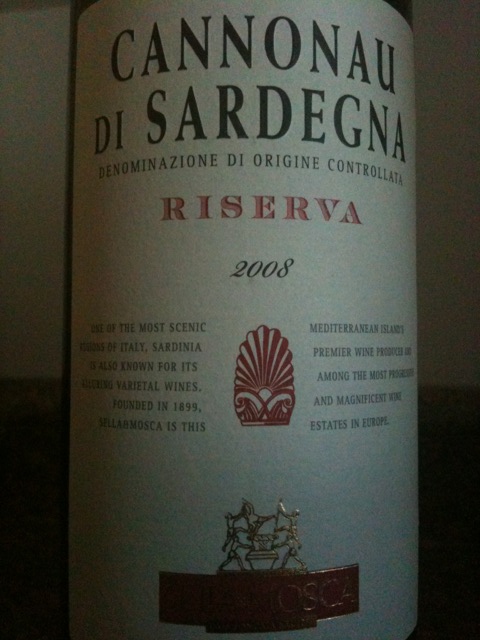
2008 Sella & Mosca Cannonau di Sardegna DOC

2008 Sella & Mosca Cannonau di Sardegna DOC

We then proceeded to open my back up bottle, the 2008 Sella & Mosca S.P.A. Cannonau di Sardegna  DOC Riserva. I had brought the wine in case we’d run short because given our hosts gracious and laborious meals, we guests were providing the wine, and two of our friends couldn’t make it, so we would potentially have been short of wine. I had initially bought this bottle because I liked the label and the word Cannonau…which I had hoped was another strange fruit, but it turns out that it is the Sardinian name for Mourvèdre. The wine poured in a brickish red. The nose showed wet tobacco, a serious level of ripeness and some age, sweet plums, and, honoring the tasting’s motto: horse sweat. Significant horse sweat. Well, that was weird. On the palate, it felt flat with serious acidity (others were less kind and said sour), had a short finish and was not very enjoyable. I guess the fruitiness of the Lacrima, the wine we had before, did not help this contender, but it still seemed like it had serious issues which was too bad…
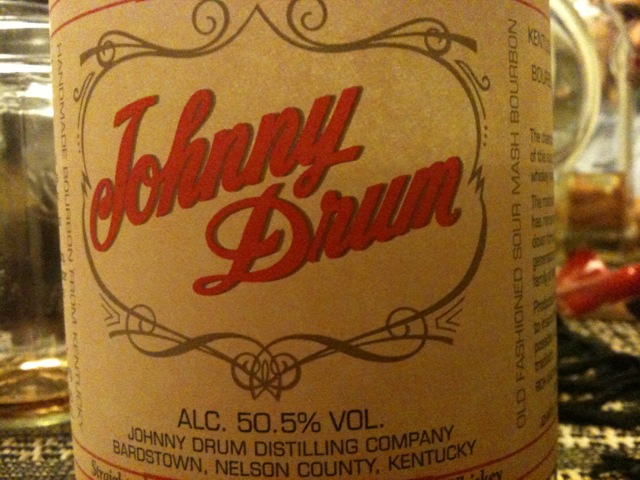
Johnny Drum Bourbon

Johnny Drum Bourbon

We finished the night with a glass of small batch Bourbon that our host, a total Bourbon aficionado, pulled from the kitchen closet. It was delicious and a great finish for another awesome tasting night. We’ll try to work another one into the time before we head out for our big trip this year, and I already cannot wait.
Tagged , , , , , , ,

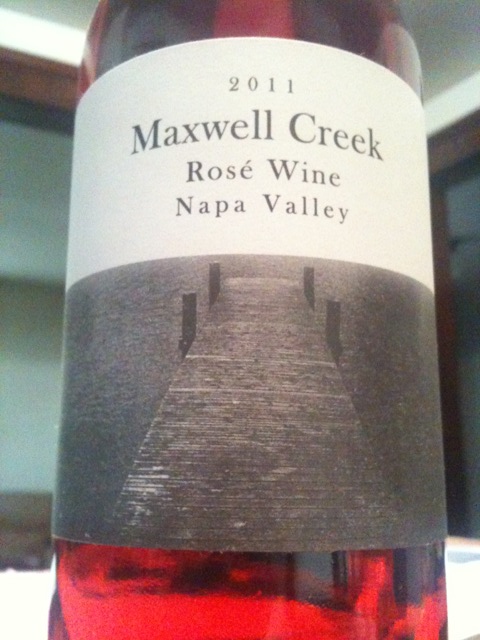
2011 Maxwell Creek Rosé Wine Napa Valley

2011 Maxwell Creek Rosé Wine Napa Valley

2011 Maxwell Creek Rosé Wine Napa Valley

I don’t know how things are going weather wise for you all, but Ann Arbor has finally had a few sunnier days and temperatures have begun to rise. All this lured me into craving a rosé (or blush) wine. I have a weak spot for Rosés. Always had. While growing up, one of my favorite wines was a Portugieser Weißherbst made by my winemaker friend Pitt Zimmermann in my hometown. Portugieser is the grape, and Weißherbst is a German denomination for a rosé wine that is made from just one grape variety and from one single vineyard. I loved that wine: It was always served very cold, was quite sweet and always hit you with strawberries all over the place.

Over the years, it has become a bit too sweet for my taste buds, but when home I still enjoy a glass or two of this wine. Let’s call it one of the gateway drugs…

For those not familiar with Rosé, it is a wine made from red grapes. Unlike red wine, the pressed must does not sit on the skins and stems for long (or at all). Since the color in red wine comes from the skin, and the juice is white just like in a white grape, this leads to just slight discoloration in the wine, hence the name rosé (or blush). Many regions produce these wines, and there are some general rules: Rosés from Southern France tend to be the most dry of all Rosés. Very dry are usually also the Spanish wines of that kind. American and German Rosés tend to be sweeter, with more residual sugar. To me, there is a place for both. While the Southern European versions are great food companions, I actually enjoy a bit of residual sugar in terrace or garden slurpers, when I have the wine on its own.

I bought four of these bottles of Maxwell Creek during a flash sale on Wines Till Soldout and this was the first of the four I opened. I paid $9 per bottle, I believe. “Maxwell Creek Cellars” is located in Rutherford, California. A bit of research showed that it is not a “proper” winery, but rather a filler of wines apparently serving as a second label to sell off overcapacity. The great news about that is that it is usually produce from good wineries just sold under a generic name which comes with a steep cut in price. I was unable to unearth much more about this wine or label, so if you know more please let me know in the comments section!

The wine had 13.7% ABV. Winehoarder declares that the grape varieties used in the wine are Cabernet Sauvignon, Cabernet Franc, Petit Verdot, Malbec and Merlot.

First off, I have to say I LOVED the color of the 2011 Maxwell Creek Rosé. It was a darker red that I associate with strawberries. I so love that color and prefer it over the more salmony or orange looking rosés. The nose was very fruity, just what I wanted and had hoped for: strawberries, gooseberry and peach, some water melon. Really draws you in if you like fruit-forward aromas. On the palate, the wine was quite light-bodied, with good acidity and some tannin giving it body. To me, peach and cream flavors dominated, later gooseberry coming in. It also reminded me of one of the ubiquitous blends in Germany of sparkling wine and vineyard peach liqueur (just without the bubbles). There was some slight bitterness in the finish, which I think might come from the pretty high alcohol level, which overall led to an unbalanced wine. Nina remarked that for her, the wine was too sweet in the middle section and then not good enough at the end. I thought that was a pretty good explanation of what is going on. There is definitely some sweetness to this wine which many will probably not appreciate. The finish overall is disappointing.

But what can I say? The wine was not impressive or anything special (except for the nose). However, I think this is another example of a wine I only want to drink on a summer afternoon, sitting in the sun. And then it will hit all the right notes and all the right points. It was definitely not the right day to open this bottle with the 45-50 F we are having right now. But I am happy that I have three more bottles to open this summer.

Tagged , , , , , ,

Wines from Texas, Seriously? Seriously.

I’ve been spending some time in San Antonio visiting good friends of ours over the last weeks. While seeing the friends and their dogs was the main reason, the sunny weather was definitely also very welcome. Sitting on the porch in a T-shirt definitely beats Michigan at the moment…but today, I am heading back to snowy Michigan so it was time to publish this piece.

As you may know, I have been quite intrigued by the fact that every single state in the US now produces wine (they count fruit wines as wines, that is why!). So I was naturally curious to try some Texan wines. And I did. And I did have some good experiences that I want to share.

According to the Texas Wine And Grape Growers Association, Texas was the site of the first winery in North America. Yes. Franciscan priests established it in 1662. Today, it has 4,400 acres (1,780 hectares) of land under vine. 273 wineries and over 400 growers produce 1.4 million cases of wine, which makes it the fifth largest wine producer in the US. I was quite impressed when I read those numbers: The area under vine is more than half the area that forms the Rheingau region in Germany. Apparently, the climatic conditions are compared to Portugal, with sunny and dry weather. The harvest time is usually at the end of July, two months earlier than in California!

I tasted a couple of wines, but want to talk about three in particular. I naturally opted for reds because white wines grown in hot climates often have a hard stand with me. Plus, let’s face it, I am a Riesling nut…

2011 Becker Vineyards Iconoclast Fascination

2011 Becker Vineyards Iconoclast Fascination

The first wine I picked up at Trader Joe’s: the 2011 Becker Vineyards Iconoclast Fascination Red. The wine has 13.2% ABV. Weirdly, the wine is not featured on the company’s website. The label just states it is a blend of their red varietals. The wine poured dark red and the initial nose was dominated by oak, and the first taste rather harsh. We dumped the wine in a decanter for a good 45 minutes, and then retried. It had worked. The smokiness was now nicely integrated with dark fruits. The wine had some interesting spice aromas which reminded me of a forest. This herbal spiciness was a distinguishing factor for that wine and helped it a lot. I thought for 10 bucks this was a great value. The winery told me later via Twitter that this is their bestselling “not so bold” red. I told them that the “not so boldness” was what I liked about it.

2010 Becker Vineyards Iconoclast Merlot

2010 Becker Vineyards Iconoclast Merlot

During my next visit to Trader Joe’s, we picked up another of Becker Vineyards wines, the 2010 Becker Vineyards Iconoclast Merlot. The wine has 13.92% ABV. Again, this wine is not featured on the winery’s website. The wine poured in a lighter red. On the nose, it is quite jammy, with sugar and cherry aromas, maybe some red berries. On the palate, this medium bodied wine proved itself quite aromatic, with intense flavors of wood (quite smoky, but not unpleasant), tobacco, pepper, and some residual sugar which nicely balanced the smokiness. With a healthy acidic touch, it was different from your usual mellow Merlot. The finish was medium long. In a way, this wine reminded me of how I imagine the rougher countryside of Texas: some edges, some smoke, but sturdy and holding its ground. I don’t know whether that is just my imagined Texas, but to me it made sense. Would not be my go to red, but definitely a good experience. My friend, who likes smoky wines, enjoyed this quite a bit.

Becker Vineyards website is here.

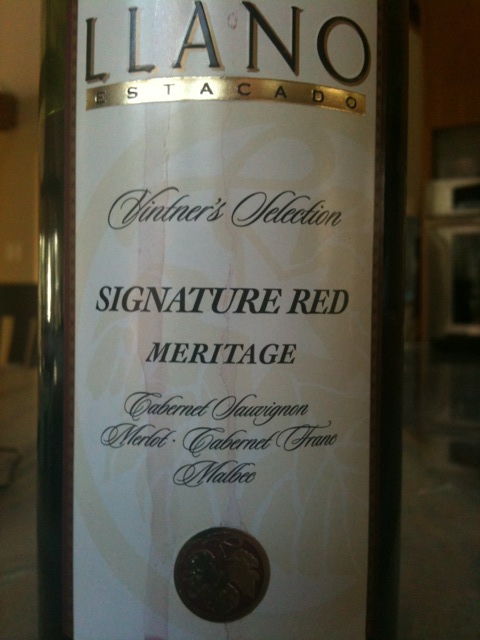
NV Llano Estacado Vintner's Selection Signature Red Meritage

NV Llano Estacado Vintner’s Selection Signature Red Meritage

The third bottle comes from Llano Estacado Winery, their NV Llano Estacado Winery Vintner’s Selection Signature Red Meritage. The wine has 12.9% ABV and is composed of the classic combination for a Meritage: 52% Cabernet Sauvignon, 31% Merlot, 10.5 Cabernet Franc, and 6.5% Malbec. In the glass, a surprisingly light colored red wine presented itself. In the nose there were sweet cherries, some light smoke and hints of liver sausage (don’t laugh!). Initially, the wine showed rather strong bitter aromas, which were actually not a turn off (even for me, who normally does not appreciate that!). These were filled up with cherries and some acidity. The finish was very short, leaving just aromas of bitterness (in that case unpleasant). All in all it was pretty disappointing. I would not even have guessed that this wine was a blend of Bordeaux grapes. It seemed flat and not very inspired. From a quick glance around the net, other reviewers seem to have mixed feelings about this wine, too.

Llano Estacado Winery’s website is here.

We also had the chance to attend the San Antonio Stock Show and Rodeo which was most of all fun! Imagine me surrounded by Stetsons, belt buckles and leather boots. It was quite hilarious! One of the cool things was that they also had a wine garden where organizers were showcasing wines that participated in their annual competition. Staff there was very attentive and enthusiastic, but I wish the organizers would take a couple of things into consideration for next year:
First, even if you have to charge money for even a sampling under Texas liquor laws (which seem the insanest that I have yet come across, but the I am certain there are even crazier ones out there) you simply cannot offer a thimble for $2. That’s just not gonna work…and charging $8 for a glass is also pretty steep.

Second, I wish they had a larger selection of Texas wines on offer. When we asked for Texan wines specifically, it turned out that of the 20+ wines on tab there were only two bottles from Texas, both from the same winery Messina Hof (which, frankly, I found quite disappointing). Their reasoning was that they only served gold medal winners in the wine garden, which seems like a good idea until you realize that most of the wines there were standard wines from California and other places a lot of which are easily available in any random supermarket: from Cupcake to Kendall-Jackson…If these won gold, I probably don’t want to try the Texas wines. However, I feel like more regional pride should prevail here (also, isn’t Texas one of the proudest states??). So, even if Texas wines don’t make the “gold medal” cut, why not still have a selection of maybe a third of the wines on offer reserved for Texas wines, even if they are only silver or bronze medal winners. There has to be some local interest into local wineries…

And third, I wish the organizers would stick to their published schedules. It happened to us twice in one day that we showed up for a tasting only to be told that it was going to start an hour later…that is kind of annoying during a fair when you walk around and plan your activities accordingly.

I realize all this is just a tiny glimpse into a big wine producing state. It was definitely exciting, and there were some nice surprises. Is there any more fun in the wine world than trying stuff from regions or areas you have never had wine from and be positively surprised? Well, yeah, for me probably a bottle of German Riesling. But that other thing comes in a very close second…

Tagged , , , , , , , , ,